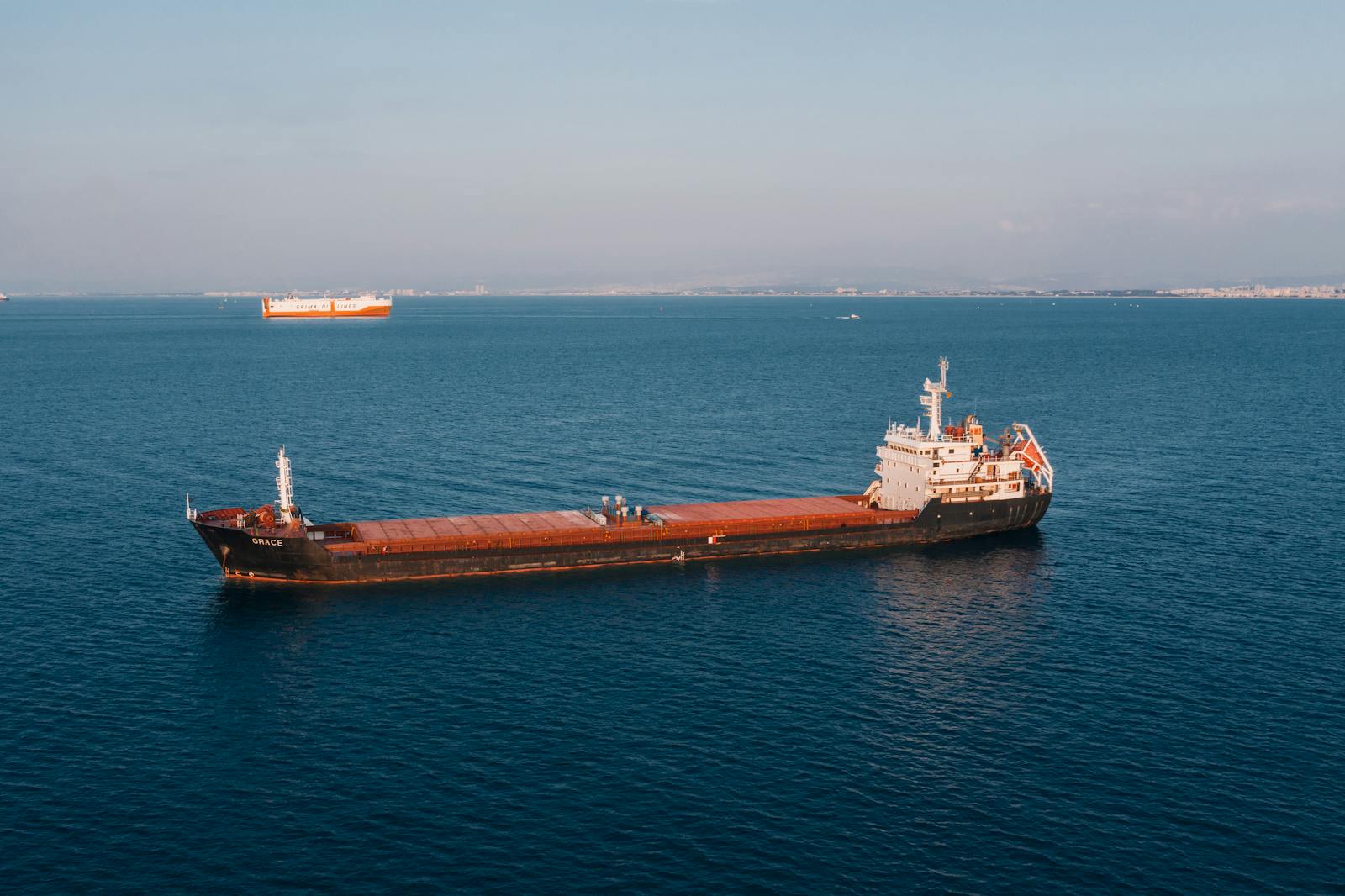

President Ferdinand Marcos Jr arrives in Shenzhen with a short list and a long shadow. The list is economic: investment, energy, food security, and the terms on which Philippine exports enter its two largest markets. The shadow is maritime, and it will follow him through every bilateral.
What the Philippines actually wants
Three items recur in Philippine statements around APEC meetings, and none of them is a surprise.
Investment in the things that cannot be imported
Power, data centres, cold storage, logistics. The Philippines has spent a decade trying to attract manufacturing that neighbours won on infrastructure and electricity costs. APEC week is a marketing opportunity rather than a negotiating one: the forum produces no investment commitments, but it puts the country’s economic managers in the same buildings as the executives who make them.
Food and energy security
As a net food importer with some of Asia’s highest electricity prices, the Philippines has a structural interest in open agricultural trade and in regional energy arrangements. Both sit squarely inside APEC’s cooperation priority, which is exactly why they are likely to produce language rather than supply.
A hearing on maritime conduct
The South China Sea is not on the agenda and will be discussed anyway. Manila’s position rests on the 2016 arbitral award, which Beijing rejects. APEC’s consensus rule means the subject cannot be forced into a chair’s statement over Chinese objection. What the Philippines can do is raise it in bilaterals, in the leaders’ retreat, and in statements outside the formal text.
The economic file that matters most is not in the room
Philippine exporters are far more exposed to tariff decisions taken in Washington than to anything drafted in Shenzhen. Electronics and semiconductors account for the majority of the country’s goods exports, and the United States is the largest single destination for them. Any change in US tariff treatment of Philippine goods lands directly on the industry that employs the most skilled manufacturing workers in the country.
The same asymmetry runs in the other direction with China, which is the largest single source of imports and a major market for minerals and agricultural products. A licensing decision in Beijing can slow a shipment faster than a summit can open a route.
So the Philippine interest in Shenzhen is not really about what APEC delivers. It is about what the two big members say to each other while they are there.
What a good week looks like
- A bilateral with China that produces a working channel on maritime incidents, however modest.
- A bilateral with the United States that clarifies tariff treatment for electronics and agricultural exports.
- One or two investment announcements that survive contact with the country’s power supply.
- Language in the chair’s statement on supply-chain resilience that does not require Manila to choose sides.
For a middle power at a voluntary forum, the win is not the declaration. It is the meeting that happens because everyone is in the same city.
What will not happen
No change to Philippine tariffs, which are set unilaterally and at the WTO. No resolution of the maritime dispute, which no APEC text can produce. No sudden shift in the country’s power costs, which are a domestic infrastructure problem with a domestic political answer.
It is also worth saying plainly that the diaspora is not a bargaining chip at APEC. Labour migration is governed by bilateral agreements and by the receiving countries’ demand. The forum’s relevance to overseas Filipino workers is indirect: through the strength of the economies that employ them, and through the digital and services agreements that make remote work possible.
How to read the coverage
Expect three kinds of story out of Shenzhen. The photo story, in which the President meets a head of state and both sides describe the conversation as warm and productive. The investment story, in which a number is announced without a timetable. And the maritime story, which will be written from what was said at a doorstep rather than what was signed.
The fourth story, the one that matters in five years, will be about whether the region’s two largest economies kept their truce. That one will be visible in export orders by the first quarter.
The mechanics of the forum, its members and its record are set out in our interactive APEC explainer.