
An ASEAN summit is not one meeting. It is a stack of them, held in the same building over a few days, involving the same ten leaders and a rotating cast of partners. Understanding who sits at which table is the fastest way to understand what the bloc can and cannot do.
The core table
The ASEAN Summit itself is the ten member states: Brunei, Cambodia, Indonesia, Laos, Malaysia, Myanmar, the Philippines, Singapore, Thailand and Vietnam. Timor-Leste has been an observer and is in the process of acceding; its participation remains limited until that process concludes.
Myanmar has not been represented at leaders' level since the 2021 coup, following ASEAN's decision to invite a non-political representative. That decision is the bloc's most visible attempt to enforce a rule against a member, and it has held partly because the affected government has not been able to reverse it.
The plus-one tables
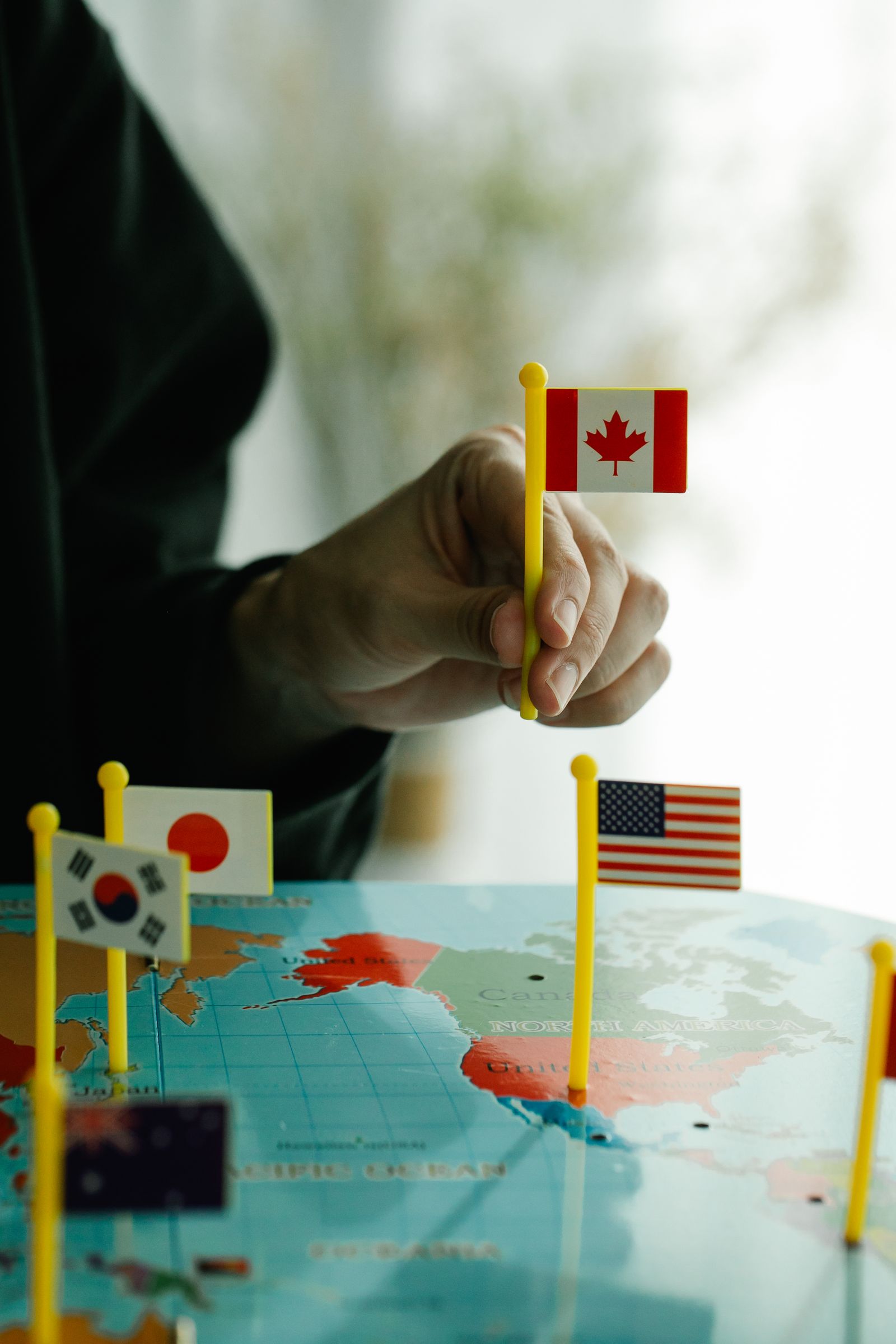
ASEAN's dialogue partners meet the ten in separate summit sessions: China, Japan, South Korea, India, Australia, the United States, Russia, Canada and the European Union among them. Each has a formal relationship with a work plan, and each meeting is short, scripted and symbolically loaded.
The East Asia Summit adds the wider set, including the major powers, and is the region's only leaders' forum that brings China and the United States to the same table as Southeast Asia. Its agenda has expanded from strategic issues to energy, health, and connectivity, which increases relevance and dilutes focus.
Defence cooperation runs on a parallel track through the ASEAN Defence Ministers' Meeting and its Plus format, which includes eight partners. This is where practical military-to-military cooperation, including maritime exercises and humanitarian response, is discussed with less rhetorical overhead.
Why the multiplication matters
ASEAN's diplomatic method is to create so many overlapping commitments that withdrawal becomes costly. A partner that skips the East Asia Summit still has the regional forum, the defence track, the trade agreements, and dozens of sectoral bodies.
The cost is coherence. With more forums, fewer decisions bind. Officials describe the same file in three settings and conclude it in none.
The major-power dynamic
Two structural shifts frame this year's meetings. The first is the intensifying competition between the United States and China, which turns technical questions, from undersea cables to port investment to semiconductor supply, into strategic ones.
The second is the widening of middle-power coalitions. Japan, South Korea, Australia, India and the European Union are all deepening their Southeast Asian engagement, offering alternatives in infrastructure finance, technology standards and defence cooperation. For ASEAN members, that is leverage; for ASEAN as an institution, it is fragmentation risk.
ASEAN's answer has been “centrality,” the doctrine that the region's architecture should be led by ASEAN rather than by any external power. It is repeated in every communiqué and tested in every negotiation. Centrality survives because no alternative arrangement commands consensus. It weakens whenever a member decides a bilateral relationship matters more.
The ASEAN Way, and its cost
Consensus and non-interference deliver a bloc that has not fought a war among its members in decades and that smaller states can use as shelter. They also make it slow, and sometimes silent, on the hardest cases, from maritime coercion to a member's internal conflict.
Reform proposals recur: qualified majority voting on procedural matters, peer review, stronger secretariat authority. None has been adopted, because the members most likely to be outvoted value the rule more than the efficiency.
What to read in the communiqué
Read the language on the code of conduct for signs of movement. Read the paragraphs on Myanmar for any change in the formulation. Read the economic section for which agreements are described as concluded rather than under negotiation. And read the list of documents adopted: that list, not the speeches, is the actual output of the summit.