
Summit communiqués talk about connectivity, corridors and trade facilitation. The language is dry because the work is technical, and it matters because a customs procedure repeated across 650 million people is worth more than most of what is said on a stage.
This is the part of the ASEAN agenda where the Philippines has both an interest and a track record: as a services exporter, a shipping and logistics market, and one of the region's largest digital-consumer economies.
What “prosperity corridors” means in practice
The phrase describes connections that let production be split across borders without losing time or money at each crossing. Four layers matter: physical links such as ports, roads, rail and power; procedural links such as customs and rules of origin; digital links such as cross-border data and payments; and human links, including the movement of skilled workers.
ASEAN's economic community blueprint sets targets across these layers, and the master plan on connectivity does the same for infrastructure. The gap between blueprint and reality is where the effort now sits.
Where the gains are real
Trade is the clearest case. The Regional Comprehensive Economic Partnership, in force since 2022 for most participants, consolidated existing ASEAN-plus agreements into one framework with common rules of origin. For a Philippine manufacturer that imports components from three members and exports to five, a single set of accumulated-origin rules reduces documentation and can change whether a product qualifies for preferential tariffs at all.
Services and digital trade are the next frontier. Negotiations on an ASEAN Digital Economy Framework Agreement, launched in 2023, aim at a regional rulebook for cross-border data flows, electronic payments, and online consumer protection. Progress is genuinely difficult: data rules touch security policy, and payment systems are nationally regulated.
Payments interoperability is quietly advancing. Linking national retail payment systems means a Filipino traveller can pay with a domestic app in another member state, and a small exporter can be paid in local currency rather than routing through a third currency. Each link is unremarkable; the network is not.
The bottlenecks nobody campaigns on
Non-tariff measures now matter more than tariffs. ASEAN's own trade repository catalogues thousands of measures, from licensing requirements to technical standards, that restrict trade in ways tariffs no longer do. Harmonising standards for food, cosmetics, electrical goods and pharmaceuticals is tedious, politically unrewarding work, and it is where the money is.
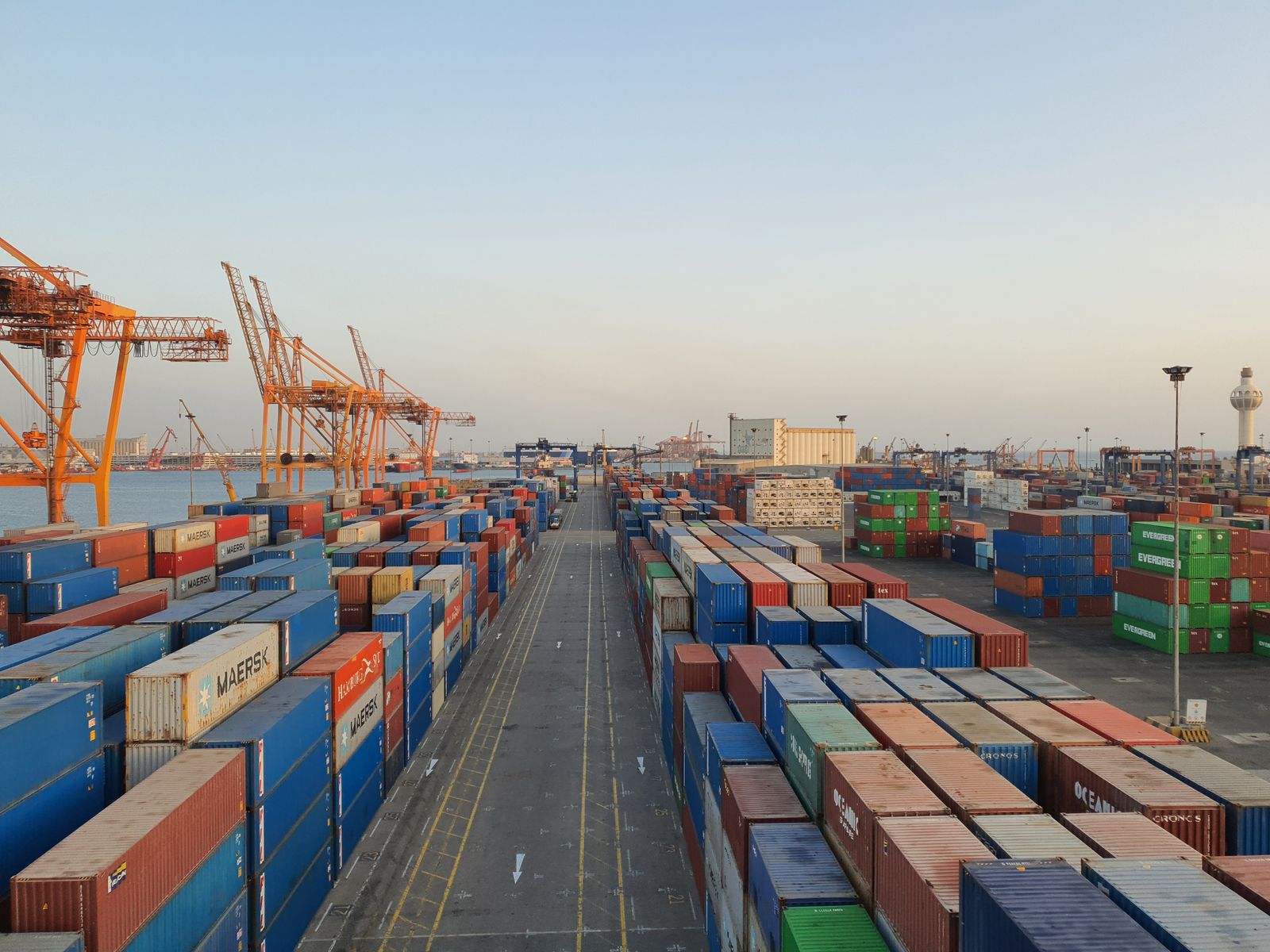
Logistics costs remain uneven. Port dwell times, shipping connectivity, and the quality of secondary roads differ sharply across the region. The Philippines' geography, an archipelago with dispersed production, makes domestic logistics a first-order constraint on participating in regional supply chains.
Skills mobility is the quietest gap. Mutual recognition arrangements exist for several professions but cover a fraction of the workforce, and implementation depends on national regulators. For Filipino professionals, the practical question is not whether an arrangement exists on paper but whether a specific regulator recognises a specific credential.
Supply chain reshaping as context
The last several years of tariff escalation, pandemic disruption and shipping volatility pushed firms to diversify production. ASEAN has been a beneficiary: electronics assembly, garment production and data-centre investment have all moved into or expanded within the region.
That shift is not automatic and not evenly distributed. It rewards countries with reliable power, fast permits, ports that work, and a workforce with the required skills. It punishes the opposite. This is why “corridors” is not an abstract phrase: it names the difference between a country that captures a supply chain shift and one that watches it pass.
What to watch after the summit
Look for concluded negotiating chapters, not headlines. Look for the number of non-tariff measures actually removed rather than pledged for review. Look for whether a payments link goes live. Look for whether a professional recognition arrangement is extended to a second regulator.
ASEAN's economic integration has been real, incremental, and slow. The reasonable expectation for a chairmanship is a few more links in the network, not a new architecture.